

Technology continues to reshape how organisations operate, communicate and develop new products and services.
While technological change can sometimes appear overwhelming, understanding the most important developments can help businesses identify opportunities and prepare for future challenges.
Several technologies are already influencing the way companies work.
Artificial Intelligence
Artificial intelligence is increasingly being used to analyse information, automate tasks, support customer service and assist employees with everyday work.
AI applications can range from relatively simple productivity tools to advanced systems supporting forecasting or decision-making.
For businesses, the challenge is not simply adopting AI but identifying situations where it provides genuine value.
Automation
Automation allows organisations to reduce repetitive manual work and improve consistency.
Administrative activities, data entry, reporting and customer communication are examples of processes that may benefit from automation.
This can give employees more time to focus on tasks requiring creativity, communication and strategic thinking.
Internet of Things
The Internet of Things connects physical devices and enables them to collect and exchange information.
IoT applications are used across manufacturing, agriculture, logistics, buildings and many other sectors.
Access to real-time data can help organisations monitor operations and make better-informed decisions.
Immersive Technologies
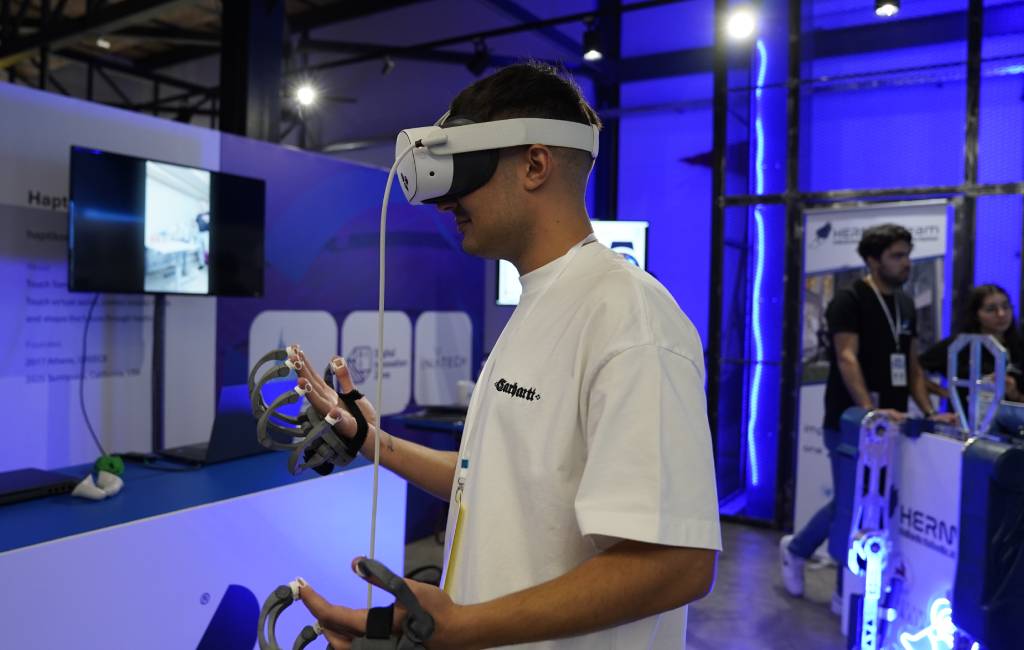
Virtual reality and augmented reality are creating new possibilities for training, product demonstrations, remote collaboration and customer experiences.
As these technologies become more accessible, organisations are exploring ways to integrate digital content with physical environments.
Data Analytics
Businesses generate increasing amounts of information through sales, digital platforms, operations and customer interactions.
Data analytics can help transform this information into useful insights, allowing organisations to identify patterns and support evidence-based decisions.
Technology Should Serve a Purpose
Not every organisation needs every new technology.
The most effective technology strategy starts with a clear business objective. Companies should evaluate the expected benefits, required skills, costs and potential risks before implementation.
Emerging technologies will continue to evolve, but successful adoption depends on more than following trends. Businesses that combine technological awareness with clear strategic thinking will be better positioned to identify the innovations that genuinely support their development.
