

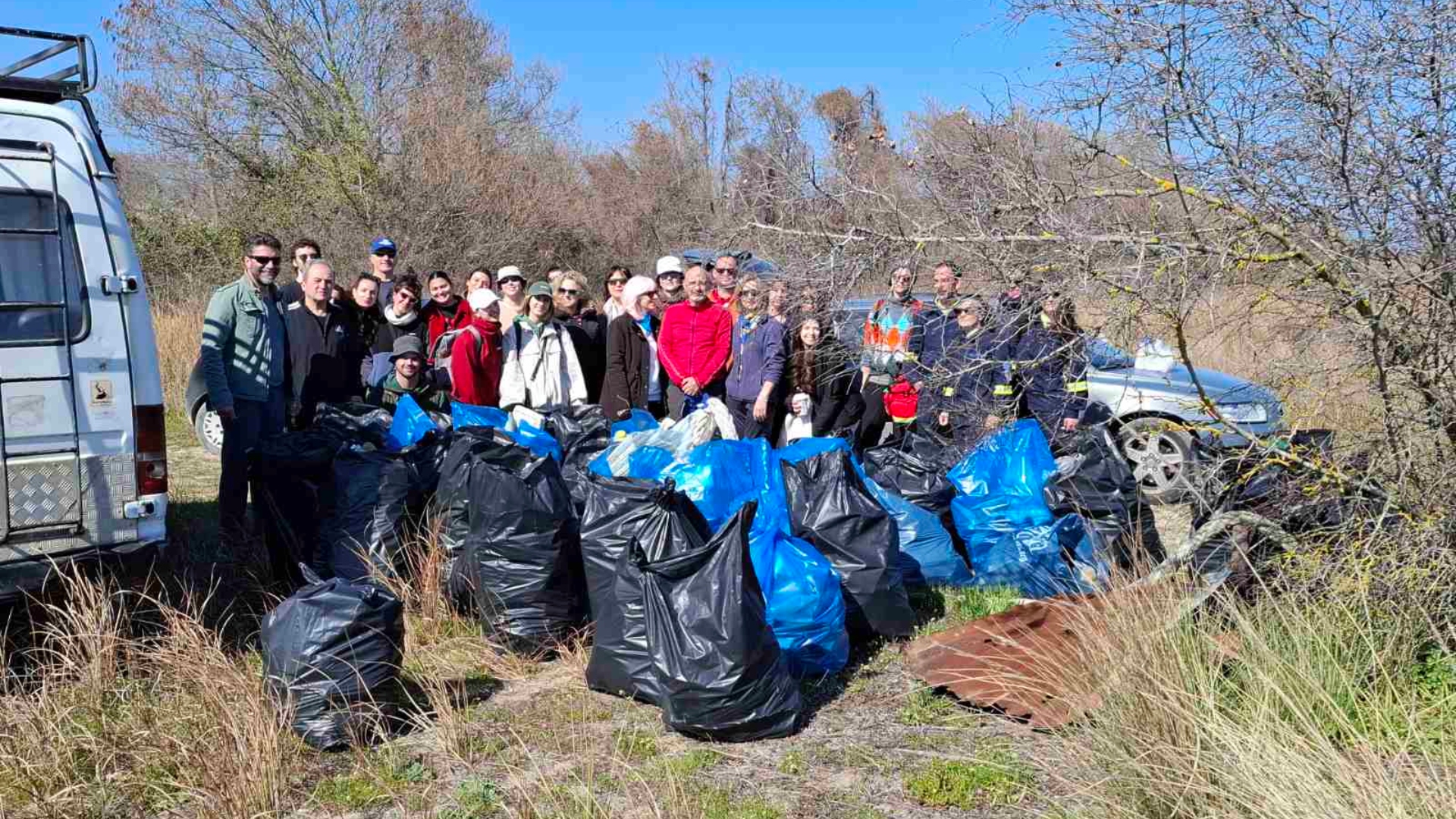
In just a few hours, something powerful happened along the banks of the Pineios River in Thessaly, Greece.
Dozens of volunteers — despite rain, mud, and cold February weather — worked side by side and removed nearly 500 kilograms of plastic waste from the river and its Delta.
What might seem like “just a cleanup” was actually much more. It was a clear reminder of what can happen when local communities take action.
These efforts were carried out as part of the JOINABLE project, a European initiative that connects environmental protection, citizen participation, and scientific research.
A Rainy Start in the Heart of Larisa
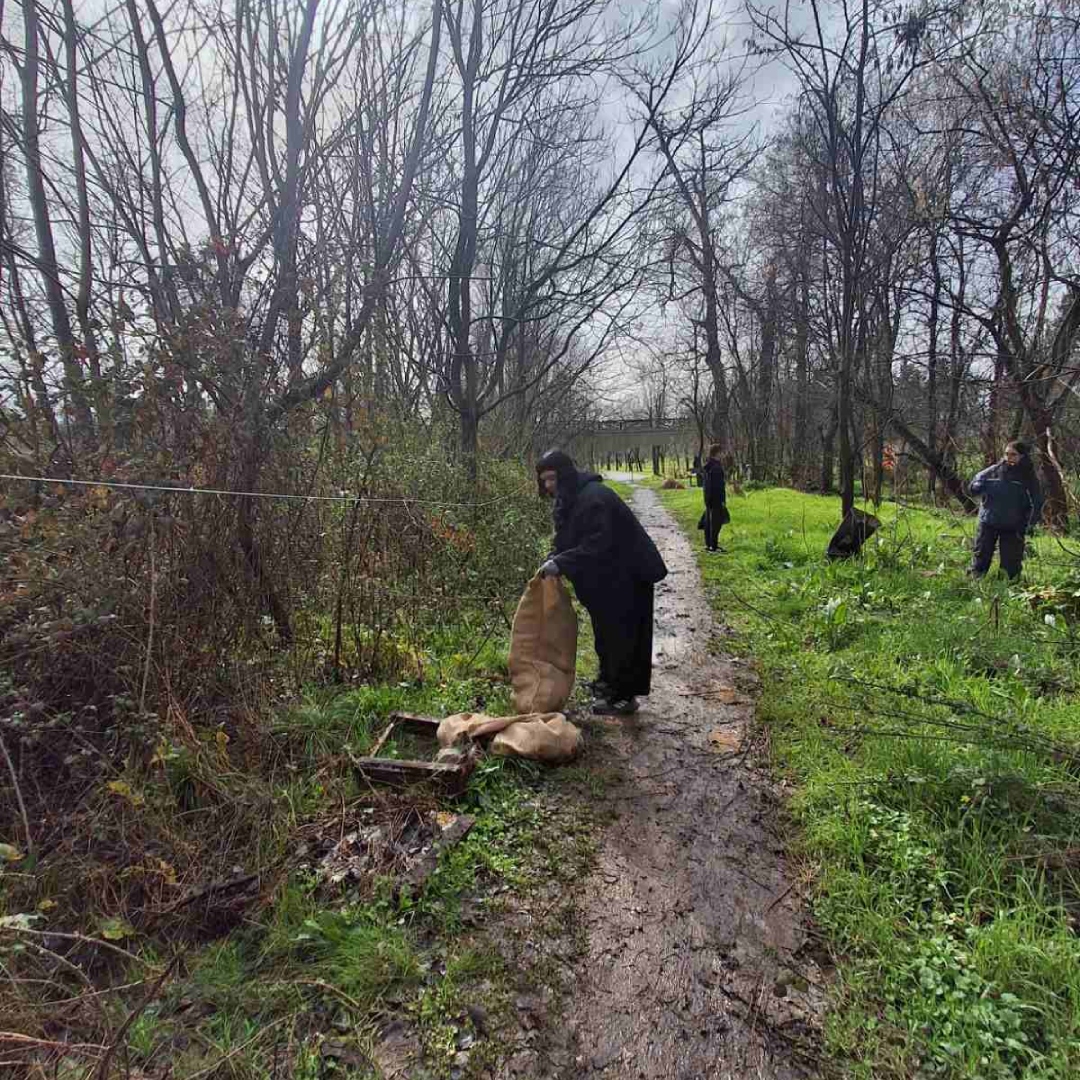
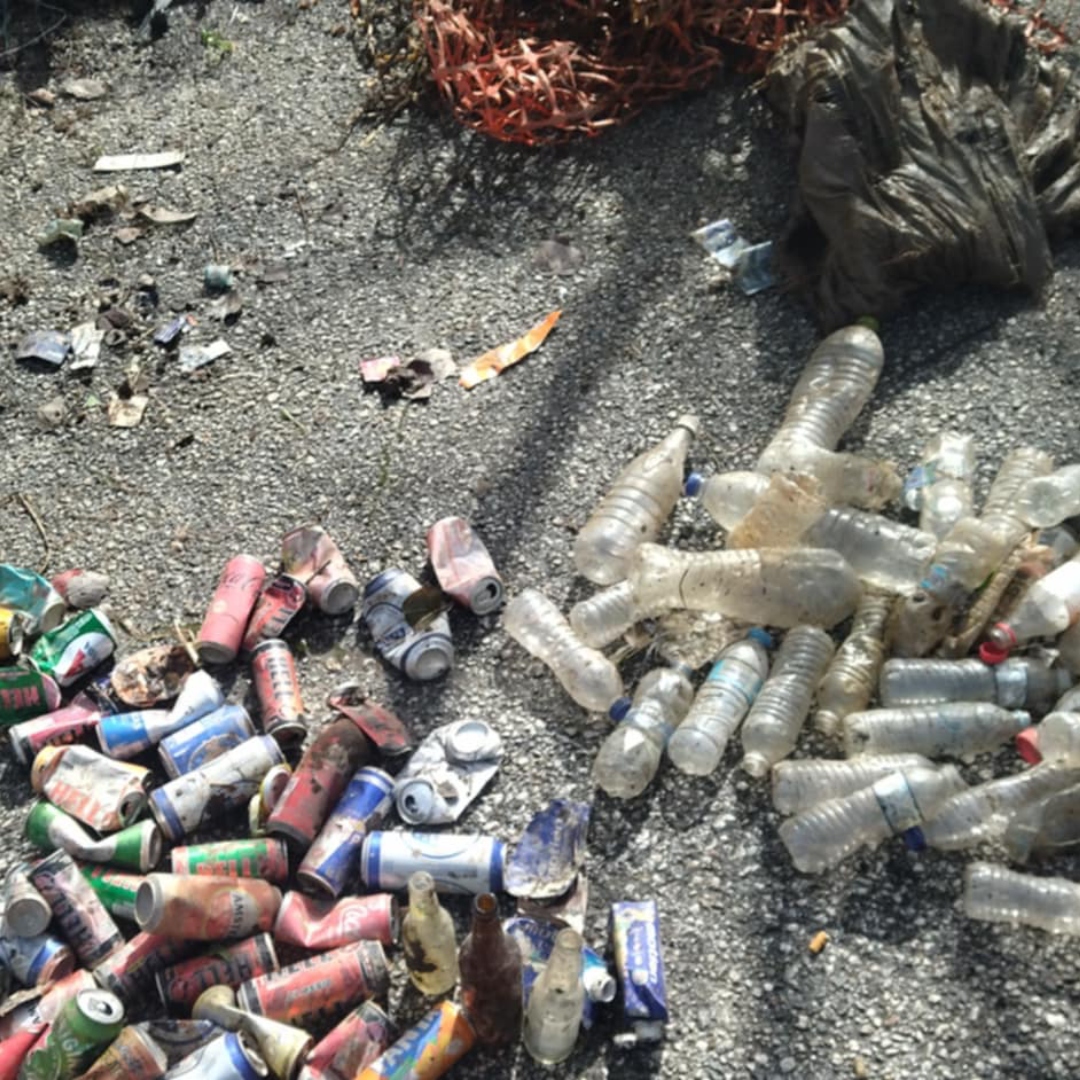
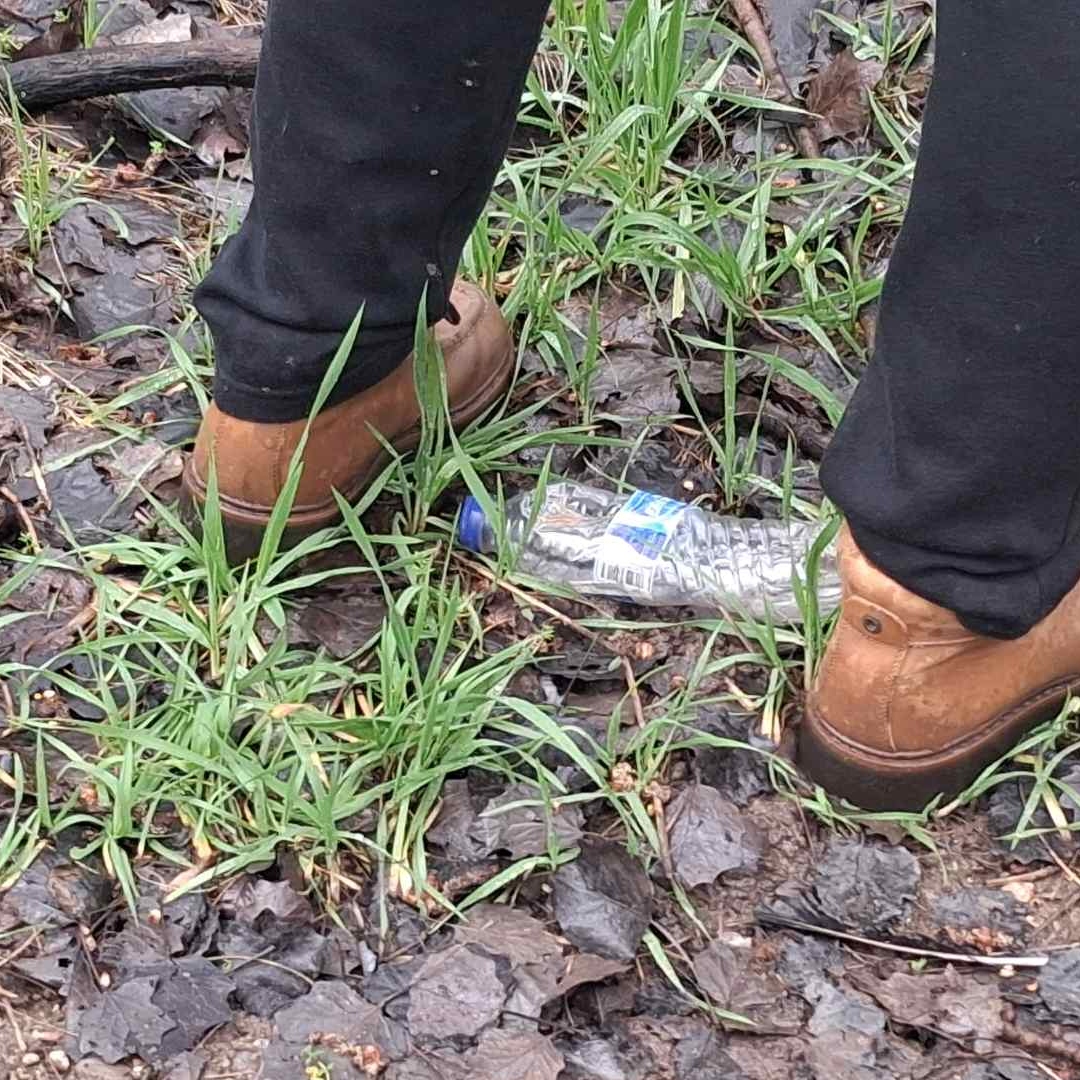
The first cleanup took place in mid-February in the Ampelokipoi area, right in the center of Larisa.
It wasn’t an easy day. It started under heavy rain. But nine volunteers stayed, worked for three hours, and made a visible difference.
By the end of the action, they had collected:
-
57 kilograms of plastic and recyclable materials
-
From an area of about 600 square meters
But the work didn’t stop at collecting waste. The materials were carefully sorted and recorded following EMODnet standards, contributing valuable data for scientific monitoring of plastic pollution.
This wasn’t just cleaning — it was citizen science in action.
A Bigger Challenge at the Pineios Delta
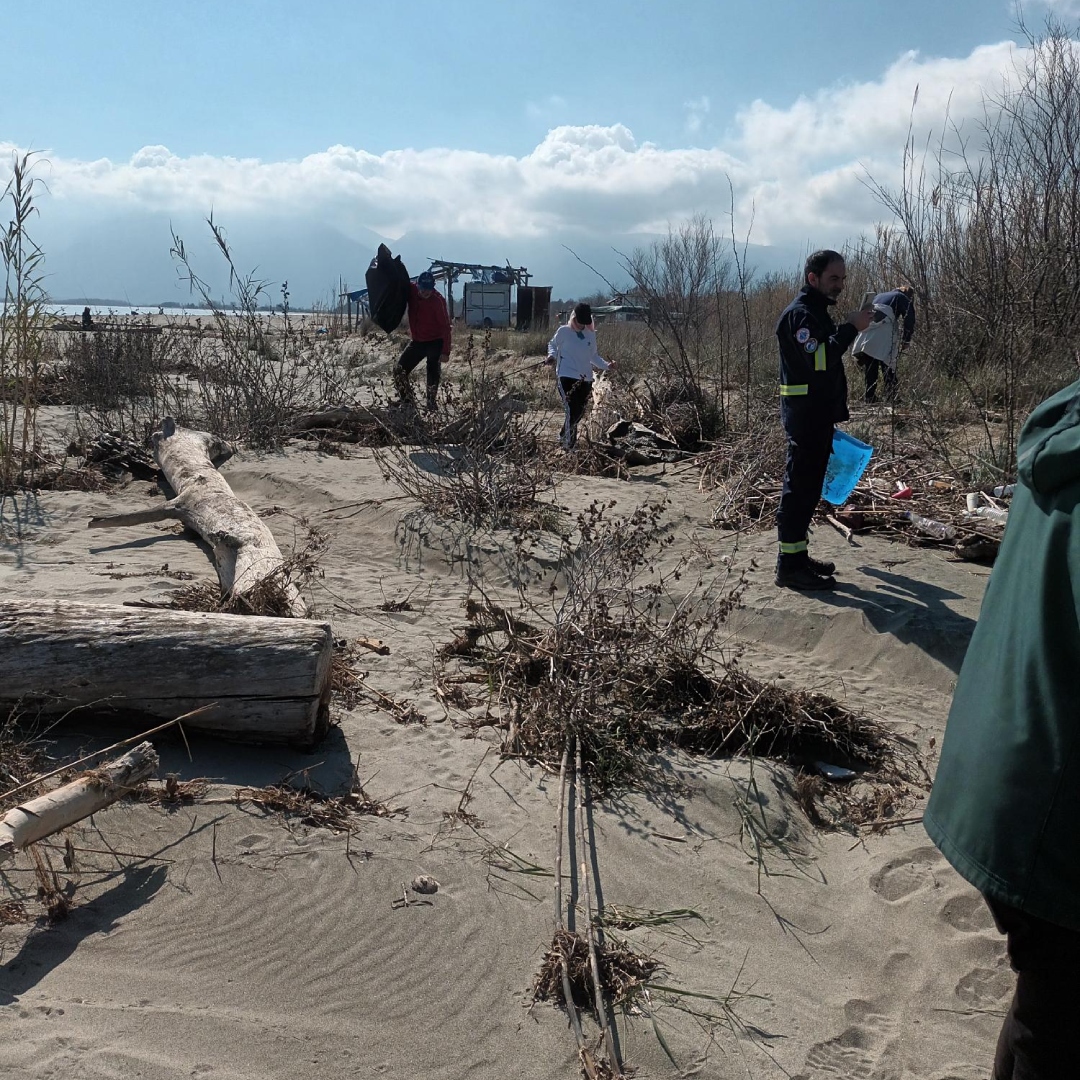
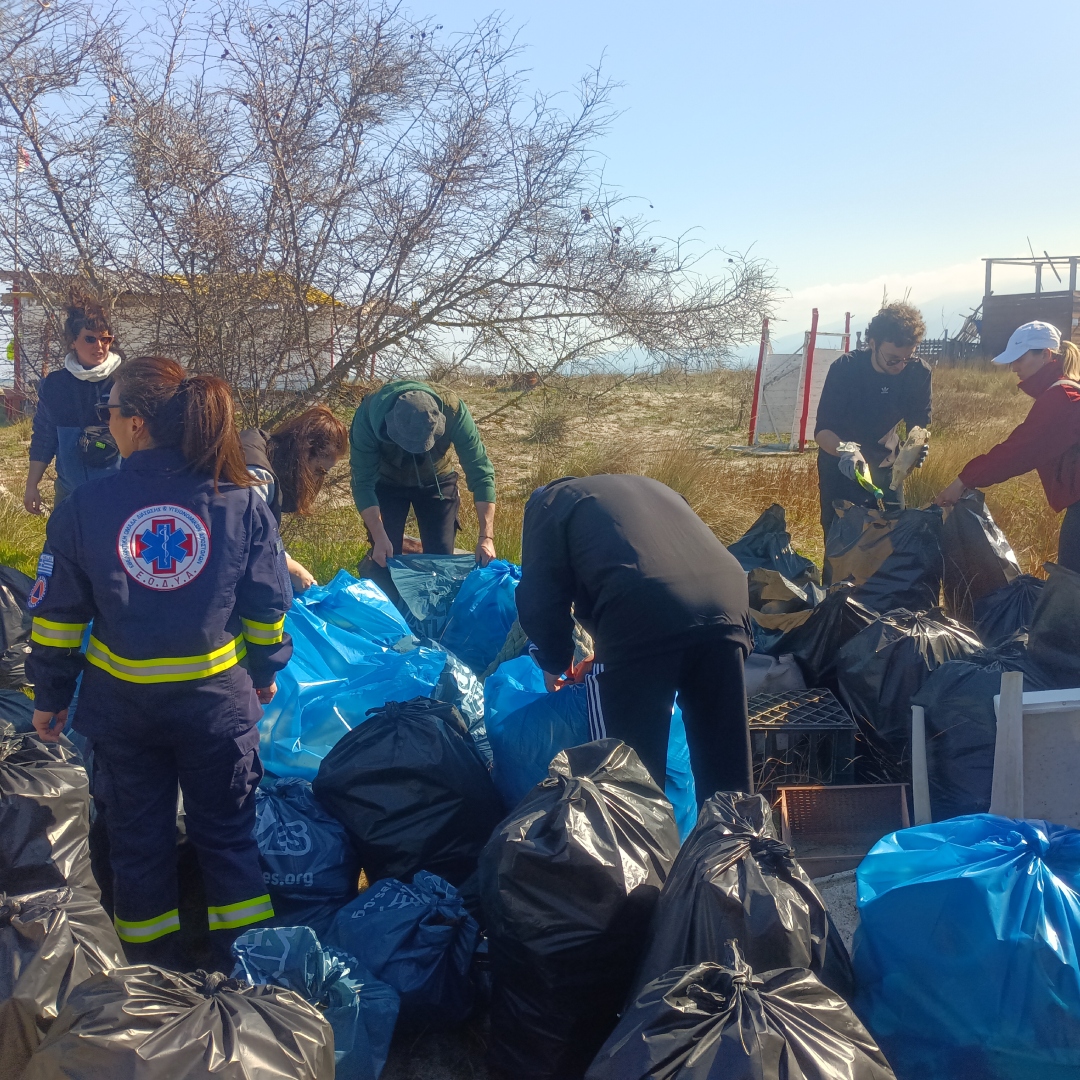
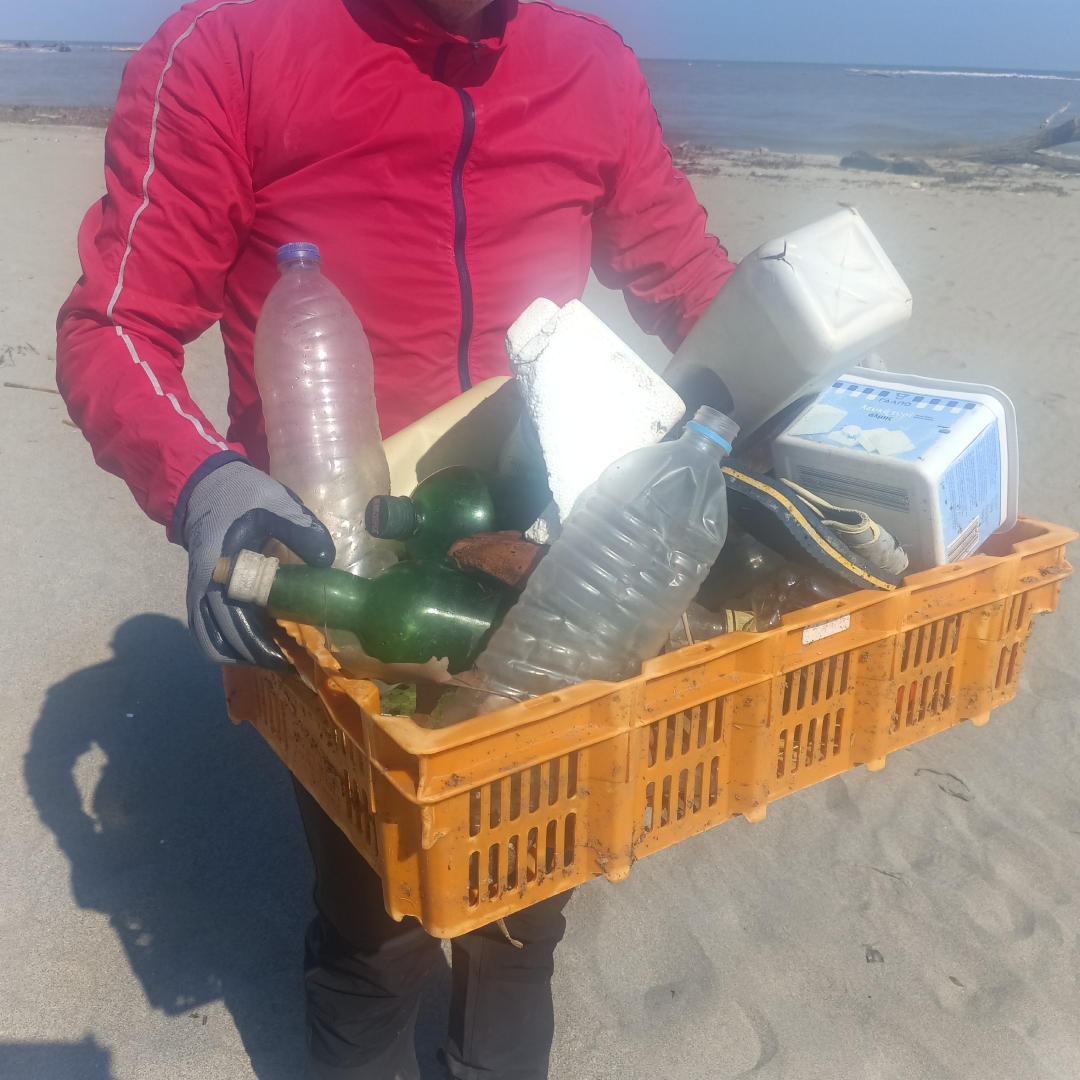
A few days later, the effort continued at Strintzos Beach, in the Pineios River Delta.
This time, 33 volunteers joined the action. In only two hours, they collected:
-
422 kilograms of plastic and recyclable waste
-
From an area of approximately 7,500 square meters
Altogether, nearly half a ton of plastic was removed from one of Thessaly’s most important aquatic ecosystems.
Behind these numbers were people — local associations, municipalities, forest cooperatives, cultural groups, and volunteers — all working together with a shared purpose.
More Than Removing Waste
These cleanup actions had several layers of impact:
-
Protecting the ecosystem by removing harmful plastic debris
-
Collecting real scientific data to better understand pollution patterns
-
Training citizens to use digital tools for environmental monitoring
-
Strengthening local networks that can continue the effort long-term
The goal wasn’t just to clean once. It was to build knowledge, responsibility, and continuity.
About the JOINABLE Project
The JOINABLE project, implemented under the Interreg IPA ADRION Programme and co-funded by the European Union, focuses on one key idea:
Plastic waste in rivers and seas should not simply be removed — it should be transformed into opportunity.
The project promotes:
-
Circular economy practices
-
Reuse of plastic waste from aquatic environments
-
The use of digital tools and citizen science for environmental monitoring
JOINABLE brings together communities, researchers, and institutions to rethink how we deal with plastic pollution.
What Comes Next
The cleanup actions will return to the same areas in June 2026.
Why?
Because meaningful environmental change requires consistency. Repeated monitoring will help generate stronger data and support more effective policies against plastic pollution.
Why Pineios River Cleanup Matters
Plastic pollution is not an abstract global issue. It flows through our rivers, reaches our seas, and affects our communities.
The Pineios River actions show that change does not always begin with large-scale policies. Sometimes, it begins with a small group of people standing in the rain, deciding to care.
And that is where real transformation starts.
For more information about the JOINABLE project, please contact:
Andreas Almpanis, JOINABLE Project Coordinator (Greece)
aalmpanis@ied.eu
